Discover Lingual Braces: Stealthy Teeth Straightening
페이지 정보

본문
Back-of-teeth braces are a type of orthodontic treatment where the metal framework and archwires are bonded behind the teeth, rendering them completely concealed from view. This cosmetic advantage makes them a ideal solution for image-conscious individuals who seek to improve their bite without the social stigma of conventional bracket systems. However, like every teeth-straightening method, lingual braces come with distinct benefits and limitations that should be thoroughly evaluated before beginning therapy.
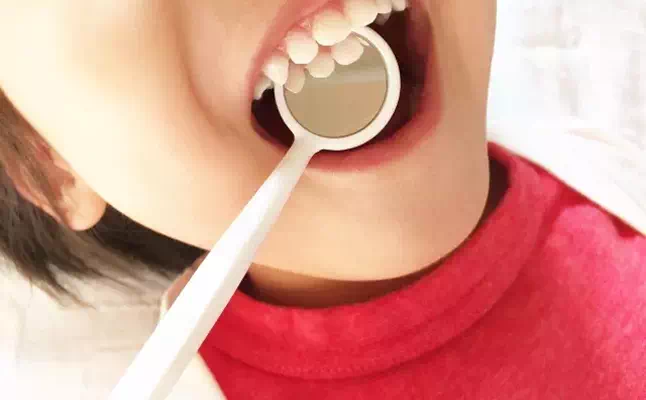
The standout feature of lingual braces is their stealth. Since they are mounted on the lingual side, they remain invisible in photos. This can be a major psychological advantage for individuals who are self-conscious about wearing visible braces. Additionally, because they are permanently bonded like standard bracket systems, they offer highly accurate tooth movement for complex alignment issues, sometimes achieving superior correction than plastic orthodontic devices in complex tooth movements.
An additional strength is that lingual braces are non-interchangeable, which means patients are less prone to non-compliance or ignore hygiene guidelines. This can lead to more predictable outcomes compared to systems that rely on patient compliance, such as clear aligners. For those who need substantial repositioning, lingual braces can serve as a viable option to jaw surgery or prolonged therapy.
There are important limitations. Lingual braces can be more taxing than traditional braces, especially during the first few weeks of treatment. Because they press directly on the tongue, they can cause sores, slurred speech, and even temporary lisping. It may take an extended adaptation period for the tongue to acclimate, and certain individuals never adapt.
They are also technically demanding to apply and maintain, 鐘ヶ淵 歯列矯正 which means they require a higher level of expertise from the orthodontist. Not all orthodontists offer them, and securing treatment may require extended waiting periods. This high barrier to entry also contributes to their higher cost, which can be much pricier than metal brackets or plastic tray systems.
Maintenance is another challenge. Cleaning behind the teeth is physically challenging, and debris can become lodged. This increases the likelihood of decay if brushing is inconsistent. Special tools like proximal brushes and water flossers may be required to maintain hygiene.
The overall process with lingual braces can often take more time that of conventional brackets due to the limited visibility of the lingual hardware. Clinic sessions are extended, which can be challenging for professionals.
In summary, lingual braces offer a cosmetically superior method for straightening teeth, especially for those who avoid visible hardware. But they come with challenges in pain tolerance, financial burden, cleaning complexity, and accessibility. Potential candidates should seek expert advice to align expectations before signing a contract.
- 이전글정품 보장 시스템의 파워약국 26.01.27
- 다음글비아그라 성인약국 구매 안전 가이드 26.01.27
댓글목록
등록된 댓글이 없습니다.