Quick Remedies for Laser-Induced Folliculitis
페이지 정보

본문
Post-laser folliculitis is a common side effect that can occur after laser hair removal treatments — it appears as inflamed follicles around hair follicles and is often triggered by skin sensitivity, microbial invasion, or hair regrowth issues. While it is short-lived and benign, there are several effective techniques to minimize its severity and accelerate healing.
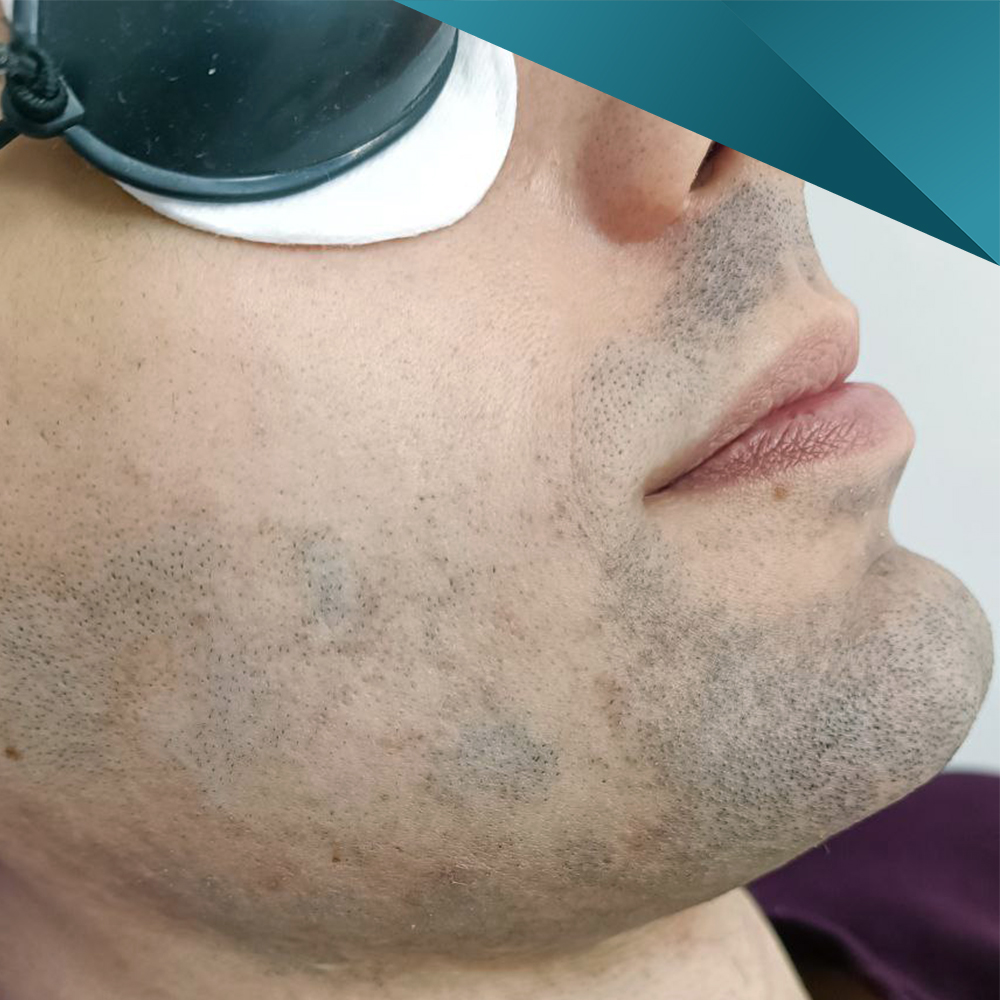
First, ensure your skin is clean before and лазерная эпиляция подмышек цена after the procedure. Steer clear of abrasive cleansers, exfoliants, or alcohol-based products. Instead, use a gentle, fragrance-free cleanser to wash the treated area. Avoid friction by lightly pressing a clean towel against the skin — as friction can worsen inflammation.
Apply a cool compress to the area immediately after treatment. This helps to alleviate discomfort, lower heat, and decrease inflammation. Try a refrigerated aloe vera pad or a specialized post-laser soothing serum. Steer clear of extreme cold that may damage delicate post-laser skin.
Daily moisturization plays a vital role. Choose a noncomedogenic, hypoallergenic moisturizer that is free from alcohol, fragrances, and other potential irritants. Keeping the skin hydrated helps repair the skin barrier and prevents dryness that can lead to more folliculitis.
Refrain from picking, rubbing, or squeezing the bumps. Fingertips harbor microbes that may trigger secondary infections. For mild itching, use a 1% hydrocortisone ointment sparingly for 2–3 days. Only use under professional guidance.
Avoid synthetic, restrictive fabrics that cause friction. Choose soft, non-constricting materials that minimize skin contact. This advice is crucial for high-friction zones including thighs, pubic area, and armpits.
Avoid sun exposure for at least a week after treatment. UV rays can aggravate inflammation and increase the risk of hyperpigmentation. Always cover exposed areas with a physical blocker like zinc oxide. Opt for sunscreens labeled "for post-laser" or "for reactive skin".
Do not use other hair removal methods like waxing, plucking, or depilatory creams in the treated area. They may inflame follicles and reintroduce bacteria. Follow your provider’s timeline for reintroducing hair removal.
If bumps become larger, painful, or filled with pus. Seek advice from your treatment provider or a skin specialist. Prescription creams like clindamycin or oral meds like doxycycline may be needed.
Do not deviate from the aftercare protocol provided to you. Everyone’s skin reacts differently, and personalized advice can make a big difference. Staying consistent with gentle care and avoiding irritants is the best way to reduce post-laser folliculitis and ensure smoother results over time.
- 이전글정품 비아그라 성인약국 구매 체크 26.01.31
- 다음글Building a Global Customer Service Network with Virtual Telephony 26.01.31
댓글목록
등록된 댓글이 없습니다.