Why Regular Eye Exams Are Essential for Total Health
페이지 정보

본문
Routine eye checkups are more than just a vision test. They serve as a critical window into your systemic health.
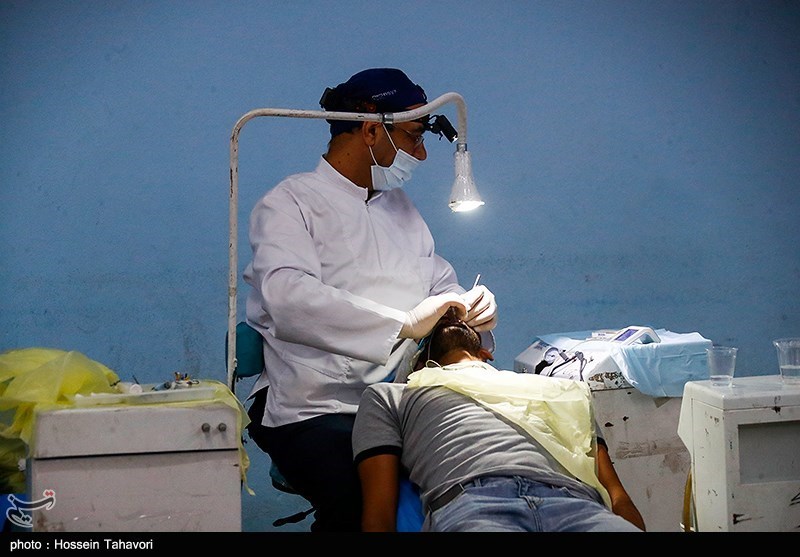
A wide range of underlying medical disorders — like type 1 or ساختمان پزشکان type 2 diabetes — along with hypertension — or malignancies such as lymphoma — can reveal early warning signs in the eyes long before clinical indicators become obvious.
As part of a detailed vision evaluation, an ophthalmologist evaluates ocular vasculature, nerves, and internal eye structures to spot early-stage changes that are indicative of an underlying medical issue.
Consider the case of diabetic retinopathy — a progressive retinal disorder — shows no discomfort before blurriness sets in. Diagnosing it promptly with modern ophthalmic tools reduces risk of blindness.
Similarly, hypertension may lead to detectable changes within the ocular vasculature, which are visible during dilation, before you experience headaches.
Ocular screenings may reveal indicators of inflammatory conditions including lupus.
Surprising findings may reveal high cholesterol or cancerous lesions can be revealed with a dilated fundus exam.
All age groups benefit from annual eye evaluations, when refractive errors go untreated can impair learning and limit independence.
Most assume that they don’t experience blurry vision, eye checkups are unnecessary. But that’s a dangerous myth.
Several life-threatening diseases — glaucoma — show no warning signs.
Predictive eye health checks are a painless and effective way to preserve your eyesight but your entire body.
Even if you use contacts or see clearly without aid, it is professionally encouraged to schedule a comprehensive exam every 12 to 24 months — depending on your age.
Making eye health a priority is among the smartest preventive actions you can take to secure your future.
- 이전글최신 부부생활 칼럼 — "사치가 되어버린 관계, 다시 시작하는 법" 26.02.11
- 다음글Latency and Its Effect on Authentication Performance 26.02.11
댓글목록
등록된 댓글이 없습니다.