ZIP2 File Conversions: When To Use FileViewPro
페이지 정보

본문
The .ZIP2 file extension is best described as a StuffIt-compressed archive produced by StuffIt Deluxe or related utilities. In this role, the .ZIP2 file acts as a container that can hold one or more files and folders, wrapped in StuffIt’s own compression methods much like a .ZIP or .SIT archive. The format was introduced with StuffIt 8.x as an extended ZIP-style option that offers updated compression and broader compatibility compared to older StuffIt variants. To work with them, you usually rely on StuffIt Deluxe/Expander or compatible utilities like The Unarchiver, which can recognize .ZIP2 and unpack its contents. Although a few niche systems treat .zip2 as an "extra-encrypted" backup ZIP, the primary, widely documented meaning remains a StuffIt archive type. For users who just want to see what is inside, a multi-format viewer like FileViewPro can recognize .ZIP2 files, determine whether they look like a StuffIt archive or a special encrypted backup, and—where supported—let you open, browse, and extract the contents without having to guess which exact StuffIt or backup tool created them
Compressed files are special file containers that shrink data so it is faster to move, store, and share. Behind the scenes, they function by looking for repeating patterns and unnecessary duplication so the same information can be written in a shorter form. Because of this, the same drive can hold more information and uploads and downloads finish sooner. One compressed archive might hold just one file, but it can just as easily wrap entire project folders, media libraries, or application setups, condensed into one archive that takes up less space than the separate files would. This flexibility explains why compressed files show up in so many places, including installers, system backups, shared folders, and large media collections.
The history of compressed files is closely tied to the evolution of data compression algorithms and the growth of personal computers. Early on, academics including Lempel and Ziv created methods such as LZ77 and LZ78, which showed that repeating patterns in data could be encoded more compactly and reconstructed perfectly later. From those early designs came mainstream techniques such as LZW and DEFLATE, now built into a wide range of common archive types. In the late 1980s and early 1990s, developers like Phil Katz helped bring file compression to everyday users with tools such as PKZIP, effectively standardizing ZIP archives as a convenient way to package and compress data. Since then, many alternative archive types have appeared, each offering its own balance of speed, compression strength, and security features, yet all of them still revolve around the same core principle of compact packaging.
From a technical perspective, compression methods fall broadly into two families: lossless and lossy. With lossless compression, nothing is permanently thrown away, so it is safe for any information where accuracy matters. Common archive types like ZIP and 7z are built around lossless algorithms so that unpacking the archive gives you an exact duplicate of the source files. On the other hand, lossy methods trade some detail for dramatic size savings, most commonly in music, film, and visual content. Whether it is a generic archive or a specialized media format, the underlying goal remains to squeeze out wasted space while keeping the content useful. Many compressed archives also combine both the act of shrinking the data and packaging multiple files and folders into one unit, turning compression into a tool for both efficiency and organization.
With the growth of high-speed networks and powerful devices, compressed files have found increasingly sophisticated roles. One major use case is software delivery: installers and app bundles are often compressed so users can get them faster and then expand them locally. Large content libraries are typically stored in compressed archives so that they occupy less disk space and can be patched or replaced without touching the rest of the installation. For administrators and DevOps teams, compression is tightly woven into tasks like archiving server logs, packaging build artifacts, and moving configuration bundles between machines. In the cloud, compression plays a quiet but crucial role in keeping large-scale storage and data transfer efficient enough to be affordable and responsive.
Beyond everyday transfers, compression has become a backbone for serious archival and security-focused workflows. Because they reduce volume, compressed archives allow organizations and individuals to keep years of documents, images, and logs in a manageable footprint. Many archive formats include integrity checks so users can verify whether the contents are still intact or have been corrupted over time. When privacy is a concern, encrypted compressed archives offer an extra layer of defense on top of size reduction. This combination of compactness, structure, and optional security has made compressed files a natural home for financial records, contracts, proprietary code, and other confidential material.
For everyday computer users, compressed files also simplify workflows and collaboration. A single compressed package keeps related files together, which is often much tidier than sending them individually. Because the layout is kept inside the archive, everyone sees the same structure after extraction. Some programs even rely on compression in the background for troubleshooting, creating ready-to-send archives of logs and configuration data. Even users who never think about compression explicitly still benefit from it every time they download, install, or restore something.
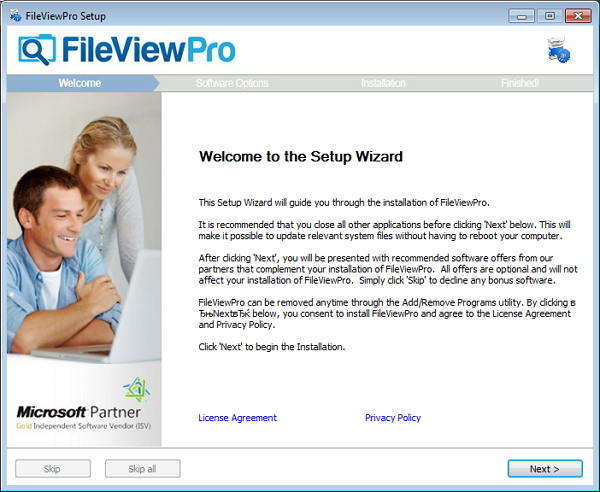
Because so many different compression formats exist, each with its own structure and sometimes its own features, users often need a straightforward way to open and work with them without worrying about which tool created the file. Instead of guessing which program to use, you can rely on FileViewPro to identify and open the archive for you. With one consistent workflow for many different formats, FileViewPro reduces the risk of errors and saves time when handling compressed archives. Whether you are a casual user, a power user, or somewhere in between, tools like FileViewPro take the complexity out of dealing with compressed files so you can focus on the content rather than the format.
The role of compressed files is likely to grow even more important as digital content keeps expanding. Ongoing research aims to squeeze more out of data while still keeping compression and decompression fast enough for real-time applications. At the same time, the everyday purpose of compressed files remains familiar: we still need to move large information through limited connections and keep our devices from filling up too quickly. Whether you are emailing a handful of photos, archiving years of work, distributing software, or backing up business systems, compressed files continue to do the heavy lifting in the background. In practice, this means you can enjoy the speed and efficiency of compressed files while letting FileViewPro handle the details in the background.
- 이전글Visit our website to discover the full range of our services 25.12.02
- 다음글경산 시알리스구매 【vbEe.top】 tldkffltmrnao 25.12.02
댓글목록
등록된 댓글이 없습니다.