The Economics of Chain Replacement vs. Repair
페이지 정보

본문
For cyclists managing their bike’s drivetrain, the decision between fixing a worn chain and swapping it out is often misunderstood as a matter of immediate cost.
For minor issues like a single broken link or slight elongation, a $3–$8 master link may restore function without full replacement.
In cases of minimal wear, this repair can add several hundred miles of reliable riding before further issues arise.
But this approach only works if the rest of the drivetrain is in good condition.
As a chain elongates from use, it grinds against the teeth of the cassette and chainrings, فروش زنجیر صنعتی causing irreversible wear.
These components are significantly more expensive than a chain.
Delaying chain replacement risks catastrophic wear: a single neglected chain can destroy your cassette and chainrings, leading to repair bills tenfold higher than a simple swap.
Proactively swapping your chain is the smartest way to avoid expensive downstream damage.
For commuters in wet or gritty environments, replacement may be needed closer to 1,000 miles; for clean, dry conditions, up to 2,000 miles is acceptable.
A new chain costs between $20 and $60, depending on quality and brand.
Even if you replace it every 1500 miles, that’s less than $5 per month for frequent riders.
Compare that to the $100 to $300 it can cost to replace a worn cassette and chainrings, and the economic advantage of timely replacement becomes clear.
Fixing a chain gives a false sense of economy—it only postpones the inevitable wear on other parts.
Once stretched, a chain cannot be restored—it continues to erode your cassette and chainrings as you ride.
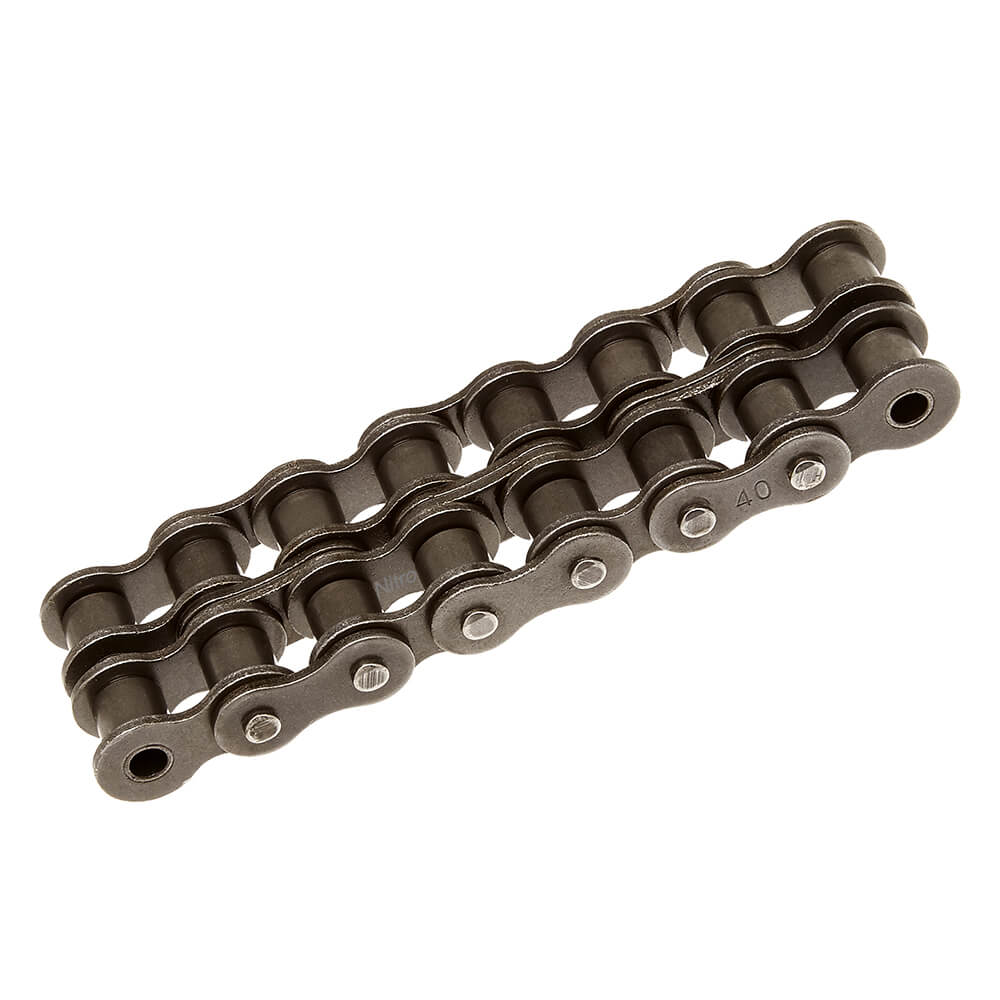
It continues to grind against the teeth of the cassette and chainrings, accelerating their degradation.
Riders who fix chains instead of replacing them often pay double—or triple—the cost later when the cassette and chainrings fail.
There are also performance and safety considerations.
Chain skip during a steep climb or sudden acceleration can cause loss of control, leading to crashes or injuries.
A degraded chain increases friction, sapping power and turning smooth rides into laborious efforts.
Consistent cycling is a health habit—broken chains can break the habit.
The most cost-effective approach isn’t patching—it’s consistent replacement paired with meticulous cleaning and lubrication.
Properly maintained chains wear slower, and replacing them on schedule avoids expensive drivetrain repairs.
A simple chain checker tool, priced under $15, gives you precise data to replace your chain before it causes damage.
What looks like thrift is actually financial mismanagement.
It’s not a cost—it’s an investment with a 10x return.
The most economical chain isn’t the one you fix—it’s the one you swap before it ruins your cassette, chainrings, and derailleur.
- 이전글Michael Jackson's Former Dwelling Neverland Ranch On Sale For $100m 25.12.18
- 다음글Understanding Gold Bullion: A Comprehensive Guide to Buying and Investing 25.12.18
댓글목록
등록된 댓글이 없습니다.