Leveraging Editable Residence Card Templates for UI Prototypes
페이지 정보

본문
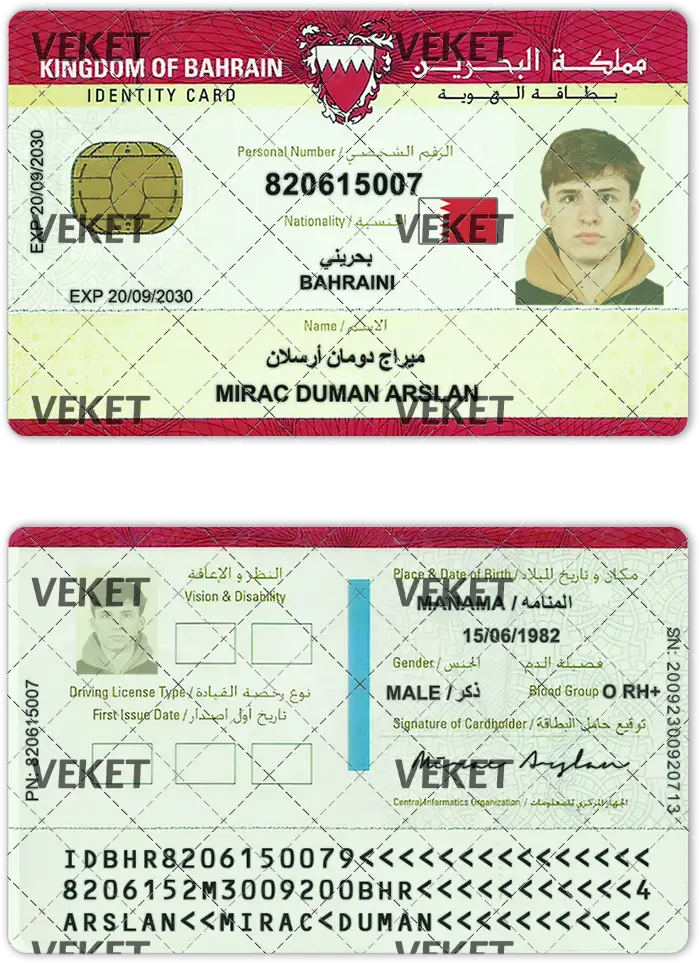
When designing user interfaces for government services, immigration platforms, or identity verification systems, one of the most challenging aspects is creating realistic prototypes that accurately reflect the user experience. Another proven method is integrating lifelike long-term stay card simulations that serve as visual placeholders mimicking the actual physical documents users will interact with—like foreign national ID cards, visa stamps, or پاسپورت لایه باز digital residency credentials. By incorporating these templates into your UI prototypes, you can test how users interpret document organization, readability flow, and form interactions in a context that feels authentic and immersive.
Editable residence card templates are typically designed as high-fidelity digital replicas that allow designers to swap out text, images, and barcodes without altering the underlying structure. This flexibility makes them ideal for continuous user feedback cycles. For example, you can quickly change the name, expiration date, or ID number to simulate cross-regional identity documents and observe how users respond to differences in visual hierarchy and regional design standards. This is especially useful when designing bilingual or trilingual systems or accommodating different regional standards for document presentation.
Using these templates also helps identify usability issues early. If users confuse the scanner prompt with other buttons or mistake a watermark for a defect, those insights can be addressed before development begins. Additionally, stakeholders and clients often find it easier to provide feedback when they can see a tangible representation of the document rather than low-fidelity sketches.
Many design tools now support importing editable templates as smart objects or master elements, making it simple to scale them across device variants. You can connect them to dynamic fields so that when a user types their name into a registration field, it updates the displayed name in real time. This dynamic interaction enhances the immersion of the experience and gives users a more confident understanding of the interface.
It is important to remember that while these templates are useful for prototyping, they must not be mistaken for official documents. Always include clear disclaimers that the interface is for demonstration purposes only. Also, ensure that any personal data used in testing is anonymized and complies with privacy regulations.
Leveraging editable residence card templates transforms abstract design concepts into tangible experiences. It bridges the gap between technical design and human perception, allowing teams to build interfaces that are not only user-friendly and regionally appropriate. In systems where accuracy and legitimacy drive adoption, this level of realism can make all the difference in user adoption and satisfaction.
- 이전글Betflik Slot The appropriate Method 25.12.18
- 다음글What You Need to Know About Condo and HOA Costs and Guidelines 25.12.18
댓글목록
등록된 댓글이 없습니다.